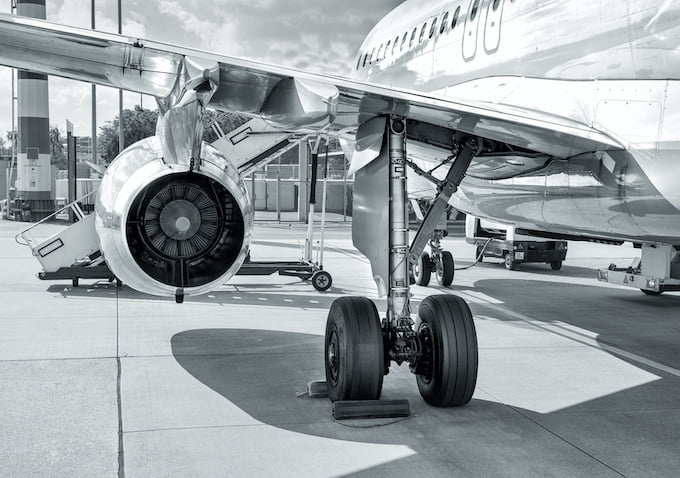
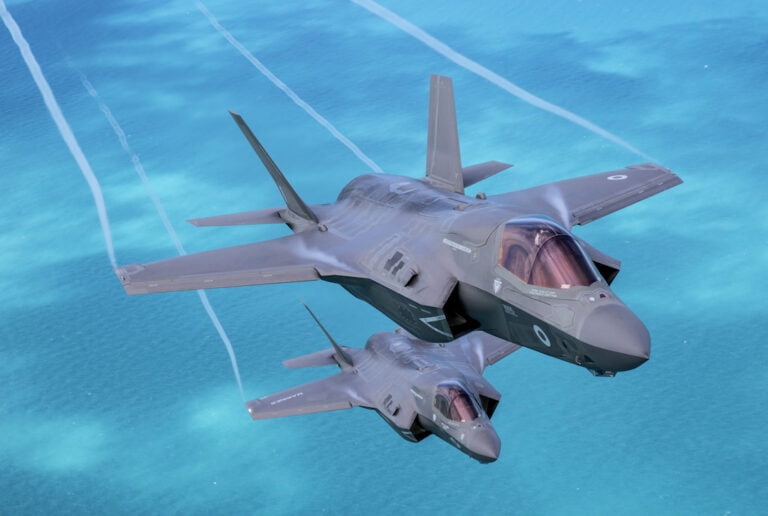
The dream usually starts with the image: the uniform, the flight deck at sunrise, the layover photo from somewhere warm. It’s a powerful picture, and there’s real truth in it. But it’s a small part of the job, and it tells you almost nothing about what actually makes someone good at it.
What’s more, the qualities that genuinely define a capable pilot are not incidental. They’re known in the industry as competencies, and they’re the very things airlines and flight schools assess you against during selection. Understanding them early is worth far more than any amount of technical knowledge you can memorise.
Genuine motivation, and realistic expectations
The foundation of everything is wanting it for the right reasons, and knowing what you’re signing up for. Training is long, expensive and repetitive in places, and setbacks are part of it for almost everyone. Pilots who thrive are the ones who went in clear-eyed about the difficult parts and still wanted it. Selection panels probe this hard, because motivation built on the glamour rarely survives contact with a failed progress test.
The humility to learn from mistakes
Aviation is unusually intolerant of ego. Good pilots own their errors, seek out feedback, and treat critique as useful rather than personal. This matters more than being naturally gifted, because everyone makes mistakes and the question is only ever what you do next. It’s also one of the most closely observed qualities in training, where trainability counts for more than raw ability.
High standards and sound decision-making
Precision, discipline and consistency underpin safe flying: doing things properly when nobody is watching, following procedure when it would be quicker not to, and making considered decisions under pressure. Very few decisions on a flight deck are dramatic. Most are small, and the standard you hold yourself to on the small ones is what shows up when a big one arrives.
Commercial awareness
Airlines are businesses, and pilots are part of how they succeed. Understanding fuel, delays, turnaround times and the passenger experience, and appreciating how your decisions affect all of them, makes you far more valuable than someone who thinks the job stops at flying the aeroplane. It’s also something interviewers ask about surprisingly often, and something many candidates are unprepared for.
Communication and working with others
You’ll communicate constantly, with your fellow pilot, cabin crew, air traffic control, engineers and passengers, frequently under time pressure. Just as importantly, you’ll need to handle disagreement well, whether that’s a difference of opinion on the flight deck or an awkward situation in the cabin. Calm, clear, respectful communication is a genuine skill, and it’s assessed throughout selection, particularly in group exercises.
Flexibility and a positive outlook
Almost nothing in aviation goes exactly to plan. Weather, technical issues, roster changes and delays are the normal texture of the job. The pilots who fare best are the ones who adapt without drama and keep their colleagues’ morale up while they do it. That temperament is noticed, both by assessors and by the crews you’ll fly with.
Why this matters before you even start
None of these qualities is about the glamour, and none of them can be faked at an interview. But they can be developed, and crucially, they can be evidenced. That’s the difference between a candidate who says they’re a good team player and one who can show it with a real example that stands up to a follow-up question.
If you can recognise these qualities in yourself and demonstrate them clearly, you’ll be a stronger candidate at every stage of selection, and a better pilot once you’re there.

Understanding how to evidence your competencies is the foundation of our ‘Techniques Not Tip Offs’ approach. Our Academy courses and Coaching show you how to do exactly that, across your application, interview and group exercise.